What Is Vacuum Glazing?
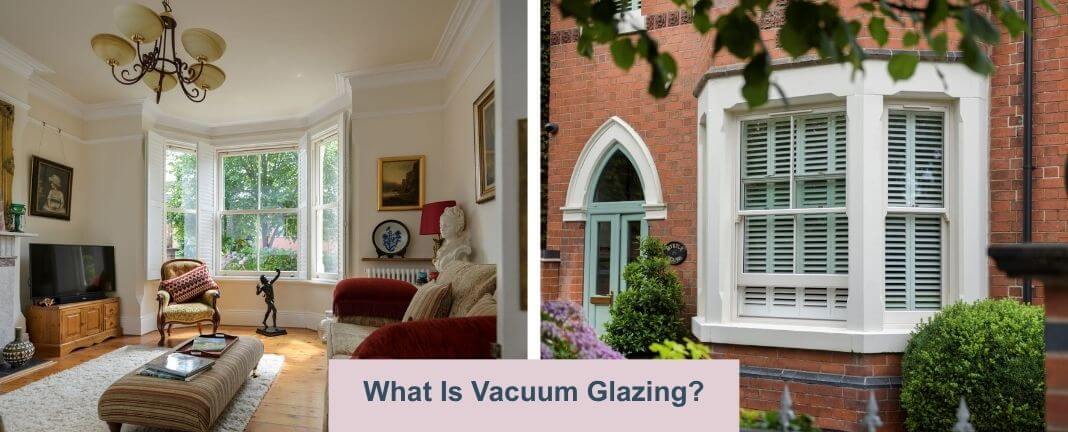
Vacuum glazing is the next big step in window technology. If you’re comparing different types of energy efficient glazing for your home, you may have already heard of it. But what is vacuum glazing, how does it compare to double or triple glazing, and is it right for your property?
In this guide, we’ll explain everything you need to know about vacuum glazing for windows: what it is, how it works, and why it’s becoming a popular choice for homeowners who want high performance without bulky frames.
Understanding Traditional Double Glazing First
Before exploring vacuum glazing, it’s worth understanding conventional double glazed units and why they became the standard for British homes.
Traditional double glazing gained popularity in the UK during the late 1970s and early 1980s as homeowners sought better insulation to reduce heating costs. The concept involves two panes of glass separated by an insulating cavity, typically filled with air or a noble gas like argon to improve thermal performance.
Single glazed windows, which preceded double glazing, could lose as much as 60% of a home’s heat. Double glazing dramatically improved this situation by creating an insulating barrier that significantly reduced heat loss whilst also providing better noise reduction and condensation control.
Despite variations in glass thickness, cavity size, spacer bar construction, and gas fills, all conventional double glazed units rely on the same basic principle: using trapped air or gas as an insulator between two panes of glass.
What Exactly Is Vacuum Glazing?
Vacuum glazing takes the double glazing concept and elevates it to extraordinary levels of performance. Instead of filling the cavity between glass panes with air or gas, vacuum glazing creates a true vacuum: a space with extremely low pressure and virtually no air molecules.
This vacuum eliminates heat transfer through convection and conduction, leaving only radiant heat transfer to manage. The result? Insulation that can be up to twice as effective per millimetre of thickness than conventional double glazing, achieved in a much thinner profile.
The vacuum cavity in these units measures just 0.2mm, compared to the 12mm to 20mm cavities found in traditional double glazing. This slim design means vacuum glazing can deliver exceptional thermal performance without the bulk and weight associated with thick glazing units.
If you’d like to understand how these advanced glazing technologies compare in real life, you can visit our showroom in Woodbridge or Bury St Edmunds and we’ll be happy to answer any questions you may have. You can also take a close look at a variety of different window styles for yourself to see which type would be best suited for your home.
Why Choose Vacuum Glazing?
Vacuum glazing is designed to meet the needs of modern homeowners who want better insulation, reduced noise and a slimmer window profile. Here are some of the main benefits:
1. Exceptional Energy Efficiency
Vacuum glazing provides extremely low U-values. That means less heat escapes from your windows, making your home warmer in winter and helping you save on energy bills.
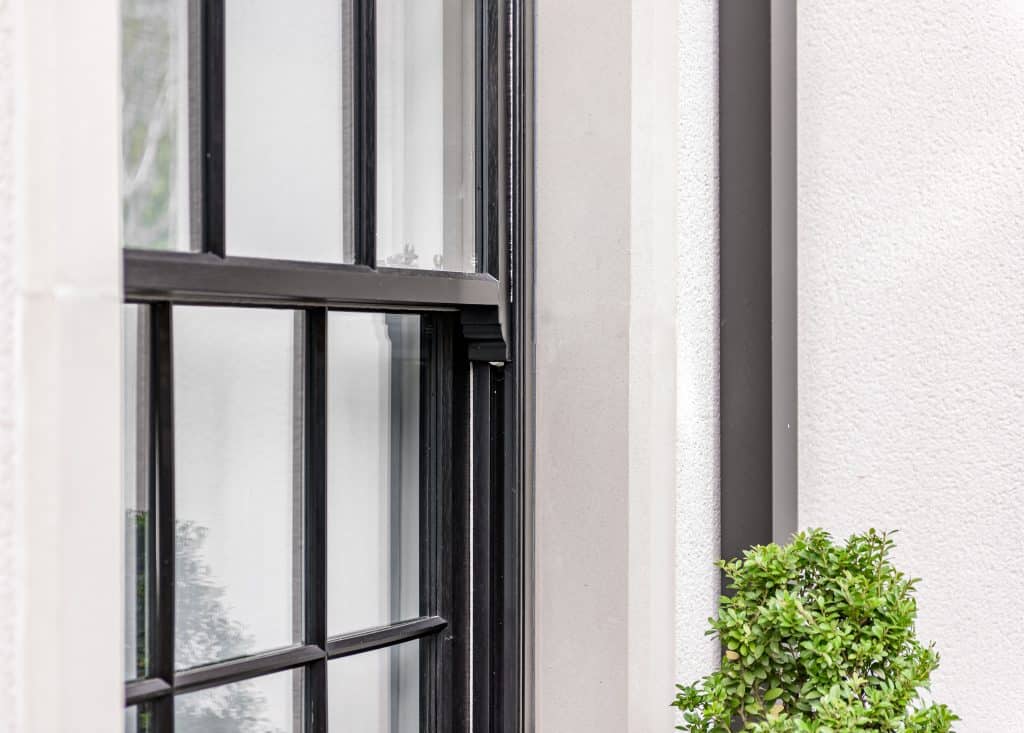
At The Burgess Group, we always emphasise the importance of whole window U-values when choosing glazing. While standard double glazing can offer U-values around 1.5 W/m²K, vacuum glazing can achieve values as low as 0.7 W/m²K, depending on the window design and frame.
2. Slimmer Window Profiles
One of the most appealing features of vacuum glazing is how thin the units are. This makes them an ideal option for properties where bulky frames are not appropriate, such as listed buildings or homes in conservation areas. You get modern thermal performance without compromising traditional aesthetics.
3. Advanced Sound Insulation
Vacuum glazing also significantly improves acoustic performance. Because sound waves can’t travel through a vacuum, outside noise is dramatically reduced. If you live near a busy road or in a noisy neighbourhood, vacuum glazing can help create a more peaceful indoor environment.
4. Ideal for Heritage and Period Properties
Vacuum glazing is a popular choice for restoring historic properties. The ultra-thin profile allows it to be fitted into traditional timber frames where standard double glazing would not be suitable. You get the look of single glazing but with the comfort and efficiency of modern technology.
Are There Any Drawbacks?
Like all products, vacuum glazing has its trade-offs. Here are a few considerations:
- Higher upfront cost
The manufacturing process is more advanced, so vacuum units tend to cost more than standard double glazing. - Availability
Not all glazing suppliers offer vacuum units, and they may need to be made to order. - Specialised installation
Because of the vacuum seal, installation requires precision and experience.
At The Burgess Group, we focus on high performance window systems that are both beautiful and functional. While we currently specialise in high quality double and triple glazing, we’re always monitoring innovations like vacuum glazing to ensure we offer the most appropriate solutions to our customers across Suffolk, Norfolk, Cambridgeshire, and North Essex.
For example, we now have FINEO glass available on our Bygone timber alternative sash windows, which introduces pioneering vacuum-insulating glazing. It has a thickness of as little as 10mm and provides thermal efficiency values that you would expect from triple glazed windows.
When you visit our showrooms, you can see our FINEO vacuum glazing in action on our Bygone sash windows. Being able to touch and feel these ultra-slim units helps you understand just how revolutionary this technology is: it’s one thing to read about 10mm thickness, but quite another to experience it firsthand and see how it maintains the authentic look of traditional sash windows.
Book A Consultation With The Burgess Group
If you’re considering upgrading your windows and want advice on the best solution for your home, we’re here to help. Whether you’re exploring cutting edge glazing technology or simply want to reduce your energy bills, our expert team can guide you through your options.
Visit our showrooms in Woodbridge and Bury St Edmunds or contact us today for a tailored quote. At The Burgess Group, we believe in honest advice, quality products, and results that last.
Frequently Asked Questions
Yes, vacuum glazing really does work better than triple glazing in certain areas. It offers lower U-values in a much slimmer unit, which means you get outstanding insulation without the bulk. It’s especially useful for period properties where triple glazing just wouldn’t fit.
Vacuum glazing typically lasts just as long as traditional double glazing. Most manufacturers offer warranties of 15 to 25 years, depending on the product. Vacuum glazing is built to last and performs well over time.
Yes, vacuum glazing can be fitted to existing windows, but only in specific situations. Because the units are so slim, they’re often suitable for retrofitting into original timber frames, especially in heritage properties. However, your frames need to be in good condition, and installation must be done carefully.
No, vacuum glazing does not need special maintenance. Just like regular double glazing, it only requires basic cleaning to keep it looking its best. The vacuum seal is permanent and doesn’t need topping up or servicing.

Visit Our Showrooms
Areas We Cover
- Suffolk
- Sudbury
- Ipswich
- Lowestoft
- Bury St Edmunds
- Haverhill
- Felixstowe
- Newmarket
- Stowmarket
- Kesgrave
- Beccles
- Mildenhall
- Woodbridge
- Bures
- Brandon
- Hadleigh
- Leiston
- Trimley St Mary
- Halesworth
- Bungay
- Needham Market
- & more
- Norfolk
- Norwich
- King’s Lynn
- Great Yarmouth
- Thetford
- Gorleston-on-Sea
- Dereham
- Taverham
- Wymondham
- North Walsham
- Attleborough
- Caister-on-Sea
- Fakenham
- Cromer
- Sheringham
- Aylsham
- Holt
- & more
- Cambridgeshire
- Huntingdon
- Peterborough
- Cambridge
- Wisbech
- St Neots
- March
- Ely
- St Ives
- Cottenham
- Cambourne
- Great Shelford
- Soham
- Burwell
- Sawston
- Balsham
- Histon
- Fulbourn
- Linton
- Waterbeach
- Bar Hill
- Milton
- Teversham
- & more
- North Essex
- Saffron Walden
- Thaxted
- Great Dunmow
- Halstead
- Braintree
- Coggeshall
- Earls Colne
- Stansted Mountfitchet
- Clavering
Follow Us!