Types Of Casement Windows (different styles explained)

Casement windows remain one of the most popular window styles in British homes, and for good reason. This is because their versatile design, excellent ventilation, and timeless appeal make them suitable for both traditional and contemporary properties. If you’re considering casement windows for your home, understanding the different types available will help you make the best choice for your needs.
In this comprehensive guide, we’ll walk through the various casement window styles, their unique features, and how they can enhance your property’s functionality and aesthetic appeal.
What Are Casement Windows?
Casement windows are characterised by their hinged design, which allows them to open outward from the side, top, or bottom. This opening mechanism provides an unobstructed view and maximises ventilation, setting them apart from traditional sash windows that slide vertically.
The versatility of casement windows makes them adaptable to various architectural styles, whether you have a period property or a modern home. They’re also available in multiple materials including timber, aluminium, and uPVC, offering extensive customisation options to suit any property style.
Side Hung Casement Windows
Side hung casement windows are the most common type you’ll encounter. These windows are hinged at the sides and open outward, providing excellent ventilation and ease of use.
Benefits of Side Hung Windows
- Hinged at either the left or right side of the frame
- Opens outward to maximise internal space
- Available in single or multiple panel configurations
- Suitable for most room types and architectural styles
Side hung casements are ideal for those seeking a classic look with practical functionality. They work particularly well in living areas where you want to encourage airflow and enjoy unobstructed views of your garden or surroundings.
Top Hung Casement Windows (Awning Windows)
Top hung casement windows, also known as awning windows, are hinged at the top and open outward from the bottom. This design offers unique advantages, particularly in certain weather conditions.
Benefits of Top Hung Windows
- Excellent for wet climates as rain doesn’t enter when partially open
- Provides ventilation while maintaining privacy
- Ideal for bathrooms and kitchens where moisture control is important
- Can be positioned higher on walls for security
The angled opening of awning windows means they shed water effectively, making them perfect for the unpredictable British weather. This means you can enjoy fresh air even during light rain without worrying about water entering your home!
Bottom Hung Casement Windows (Hopper Windows)
Bottom hung casement windows, commonly called hopper windows, are hinged at the bottom and open inward from the top. This configuration is particularly popular for specific applications.
Benefits of Bottom Hung Windows
- Perfect for upper floor rooms and apartments
- Safe opening mechanism for higher installations
- Easy to clean from inside the property
- Excellent for controlled ventilation
Bottom hung windows are especially suitable for bedrooms on upper floors, as they provide secure ventilation without the safety concerns associated with outward opening windows at height.
Single Casement Windows
Single casement windows feature just one opening panel within a frame. Despite their simplicity, they offer remarkable versatility in terms of sizing and placement.
Benefits of Single Casement Windows
- Adaptable to various opening sizes
- Perfect for smaller rooms or unusual openings
- Cost effective solution
- Available in all materials and finishes
Single casements are excellent for compact spaces where a larger window system might overwhelm the room. They’re also ideal for creating feature windows in specific locations.
Double Casement Windows (French Casement Windows)
Double casement windows, often referred to as French casement windows, feature two panels that open outward from the centre. This design creates a significant opening and offers impressive aesthetic appeal.

Benefits of Double Casement Windows
- Panoramic, unobstructed views when fully open
- No central mullion to interrupt the view
- Maximum ventilation potential
- Creates a strong connection between indoor and outdoor spaces
French casement windows are particularly popular for rooms that overlook gardens, patios, or scenic views. They allow maximum natural light to flood in while providing an elegant focal point for any room.
Flush Casement Windows
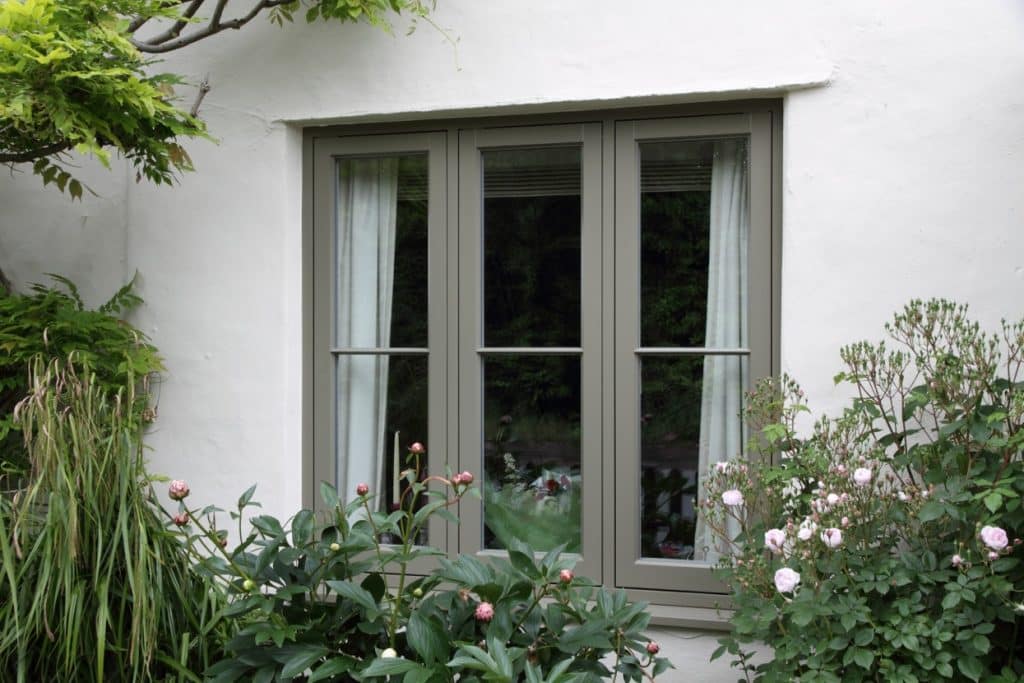
Flush casement windows are designed to sit level with the window frame when closed, creating a clean, uniform exterior appearance. This style has become increasingly popular in contemporary architecture.
Benefits of Flush Casement Windows
- Seamless integration with the building facade
- Minimalist aesthetic appeal
- Improved weather resistance due to flush design
- Popular in modern and renovation projects
The flush design not only enhances visual appeal but also contributes to better weather sealing, making these windows both stylish and practical.
Fixed Casement Windows (Picture Windows)
Fixed casement windows, commonly known as picture windows, don’t open at all. They’re designed purely to maximise views and natural light while maintaining the aesthetic of a casement window system.
Benefits of Fixed Casement Windows
- Central features in larger window installations
- Maximises natural light in living spaces
- Showcases beautiful external views
- Part of bay window configurations
Picture windows are often used as focal points, flanked by opening casement windows to provide the practical benefits of ventilation while maintaining the dramatic visual impact of a large glass area.
Materials and Customisation Options
Modern casement windows are available in three primary materials, each offering distinct advantages:
Timber Casement Windows
Timber provides natural warmth and character, perfect for period properties or homes where a traditional aesthetic is desired.
Modern timber windows incorporate advanced weather sealing and energy efficient glazing while maintaining their classic appeal.
Aluminium Casement Windows
Aluminium offers slim sightlines and contemporary styling, ideal for modern properties.
The material’s strength allows for larger panels and enhanced security features, while powder coating provides extensive colour options.
uPVC Casement Windows
uPVC remains the most cost effective option, requiring minimal maintenance while offering excellent energy efficiency.
Modern uPVC windows are available in numerous colours and finishes, including realistic wood grain effects.
Energy Efficiency and Performance
All types of casement windows can be highly energy efficient when properly specified. Key features that contribute to thermal performance include:
- Double or triple glazing options
- Advanced weather sealing systems
- Thermal break technology in aluminium frames
- Low emissivity glass coatings
The tight seal achieved when casement windows close makes them particularly effective at preventing draughts and heat loss, contributing to reduced energy bills and improved comfort.
Security Features
Modern casement windows incorporate robust security features regardless of style:
- Multi point locking mechanisms
- Toughened or laminated glass options
- Internal glazing beads
These features ensure that choosing casement windows doesn’t mean compromising on home security.
Choosing the Right Casement Window Style
Selecting the appropriate casement window style depends on several factors:
Consider Your Property Type
Period properties may benefit from traditional styles like side hung casements with Georgian bars, while contemporary homes might suit flush casements with clean lines.
Think About Function
Consider how you’ll use each window. Bedrooms might benefit from bottom hung windows for safe ventilation, while living areas could make the most of French casements for maximum opening.
Factor in Location
Windows facing prevailing weather might benefit from top hung designs, while those overlooking gardens could make the most of picture windows or French casements.
Maintenance and Longevity
The maintenance requirements for casement windows vary by material:
- Timber requires periodic painting or staining but offers excellent longevity when properly maintained
- Aluminium requires minimal maintenance, occasional cleaning of frames and lubrication of hardware
- uPVC: requires very low maintenance, and only regular cleaning
Regardless of material, regular maintenance of hardware, seals, and glazing will ensure your casement windows provide many years of reliable service.
Expert Installation and Advice
At The Burgess Group, we specialise in crafting bespoke casement windows tailored to your specific needs. Our experienced team serves homeowners across Suffolk, Norfolk, Cambridgeshire, and North Essex, providing expert advice and professional installation services.
Whether you’re drawn to the natural warmth of timber, the contemporary appeal of aluminium, or the practical benefits of uPVC, we can help you choose the perfect casement window style for your home.
As FENSA registered installers and members of the Independent Warranty Association, we provide insurance backed guarantees for your complete peace of mind. Our comprehensive service includes consultation, manufacture, installation, and ongoing aftercare support.
Visit Our Showrooms
You’re welcome to visit our beautiful showrooms in Woodbridge and Bury St Edmunds, where our friendly design experts can answer your questions and make recommendations based on your home’s specific requirements.
Contact The Burgess Group today to discuss your casement window needs. We’ll help you choose the right style and configuration to enhance your home’s comfort, security, and aesthetic appeal for years to come.
Frequently Asked Questions
The main types of casement windows include side hung, top hung (awning), bottom hung (hopper), single, double (French), flush, and fixed (picture) windows. Each style offers distinct benefits; from improved ventilation and unobstructed views to sleek, modern finishes.
Casement windows are hinged and open outward, while sash windows slide vertically. Casement windows typically provide better ventilation control and energy efficiency due to their tight sealing when closed.
Yes, while most casement windows open outward, they can be configured to open inward if space or other constraints require it. However, outward opening is generally preferred for weather protection and space saving.
Modern casement windows offer excellent security with multi point locking systems and robust hardware. Their design makes them inherently secure when properly specified and installed.
With proper maintenance, quality casement windows can last 20 to 30 years or more. Timber windows may require more maintenance but can last even longer, while uPVC and aluminium options offer excellent longevity with minimal upkeep.
Yes, Georgian bars can be added to most casement window styles to create a traditional appearance. These can be fitted internally within the sealed glazing unit or applied externally for an authentic period look.

Visit Our Showrooms
Areas We Cover
- Suffolk
- Sudbury
- Ipswich
- Lowestoft
- Bury St Edmunds
- Haverhill
- Felixstowe
- Newmarket
- Stowmarket
- Kesgrave
- Beccles
- Mildenhall
- Woodbridge
- Bures
- Brandon
- Hadleigh
- Leiston
- Trimley St Mary
- Halesworth
- Bungay
- Needham Market
- & more
- Norfolk
- Norwich
- King’s Lynn
- Great Yarmouth
- Thetford
- Gorleston-on-Sea
- Dereham
- Taverham
- Wymondham
- North Walsham
- Attleborough
- Caister-on-Sea
- Fakenham
- Cromer
- Sheringham
- Aylsham
- Holt
- & more
- Cambridgeshire
- Huntingdon
- Peterborough
- Cambridge
- Wisbech
- St Neots
- March
- Ely
- St Ives
- Cottenham
- Cambourne
- Great Shelford
- Soham
- Burwell
- Sawston
- Balsham
- Histon
- Fulbourn
- Linton
- Waterbeach
- Bar Hill
- Milton
- Teversham
- & more
- North Essex
- Saffron Walden
- Thaxted
- Great Dunmow
- Halstead
- Braintree
- Coggeshall
- Earls Colne
- Stansted Mountfitchet
- Clavering
Follow Us!