Tilt and Turn Windows and How They Can Improve Your Home
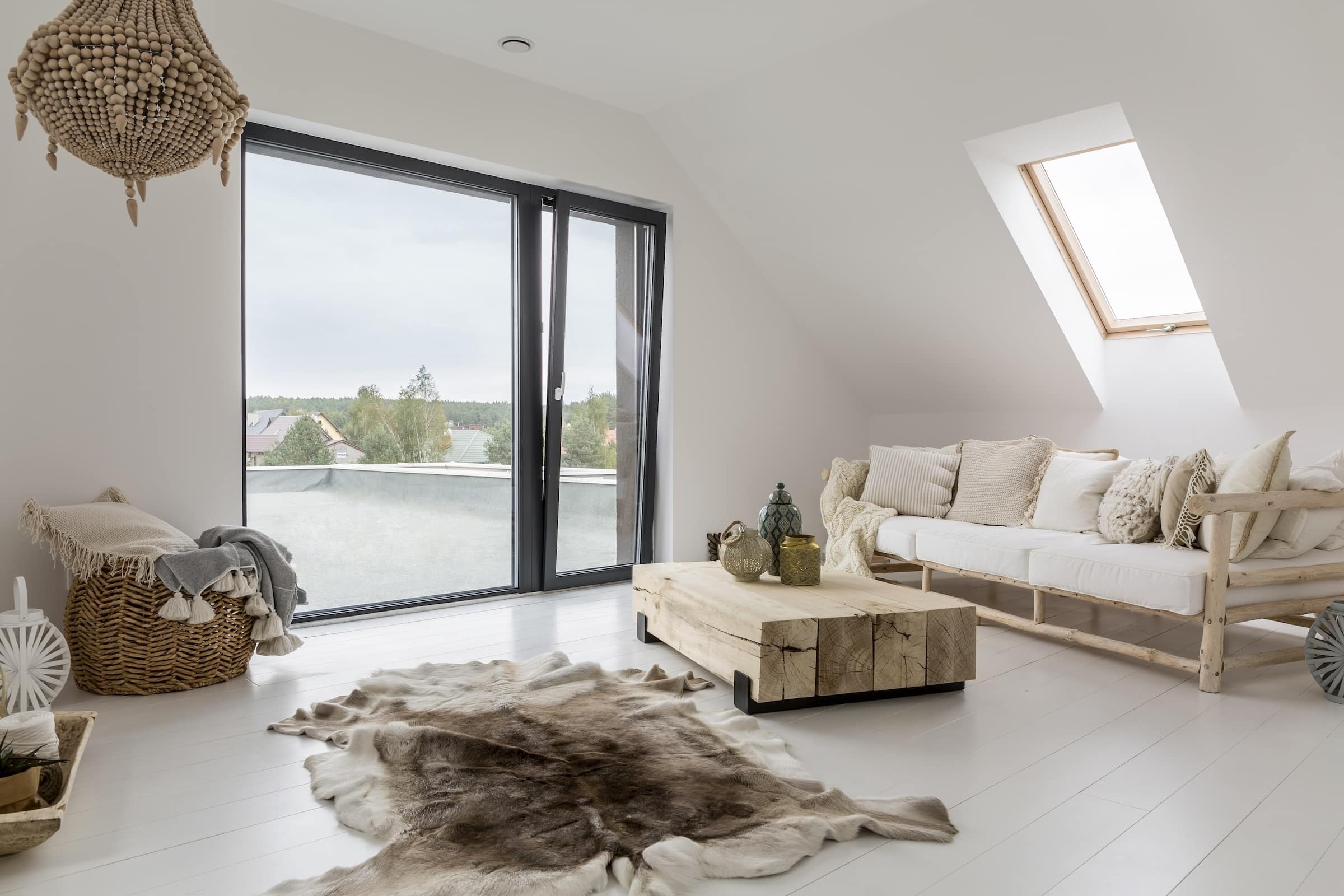
Tilt and turn windows have been standard in European and Scandinavian homes for decades, yet it is only in the last few years they’ve become popular for British homes. There are numerous advantages to considering tilt and turn windows and, in many cases, they provide features that you can’t have with any other type of window design such as sliding or casement.
Whether you’re based in Suffolk, Norfolk, Essex and Cambridgeshire and are considering a new extension new build home or renovation, this type of window could be the answer and we’ve successfully integrated this window style in our customer homes already.
How do tilt and turn windows work?
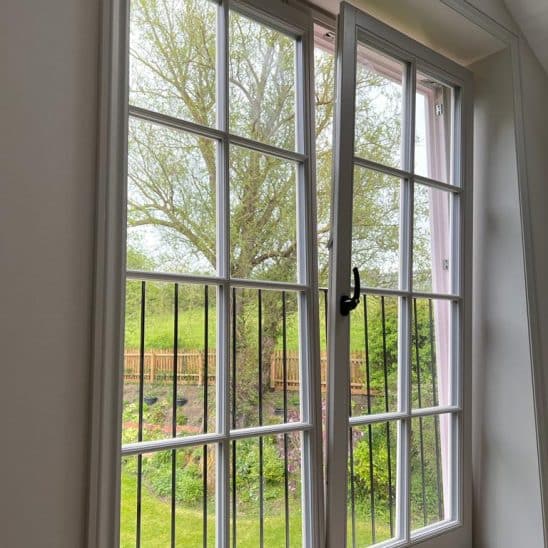
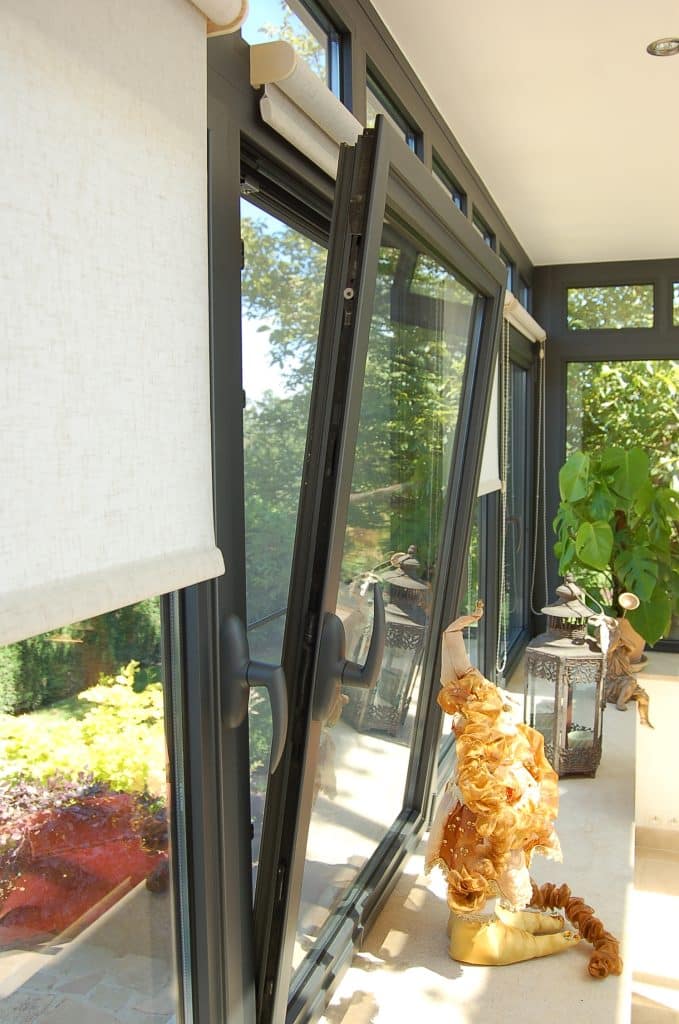
The name tells you most of what you need to know. This type of window is designed to tilt inwards for ventilation and also completely open in. These two distinct opening actions are controled by one multi-functional handle.
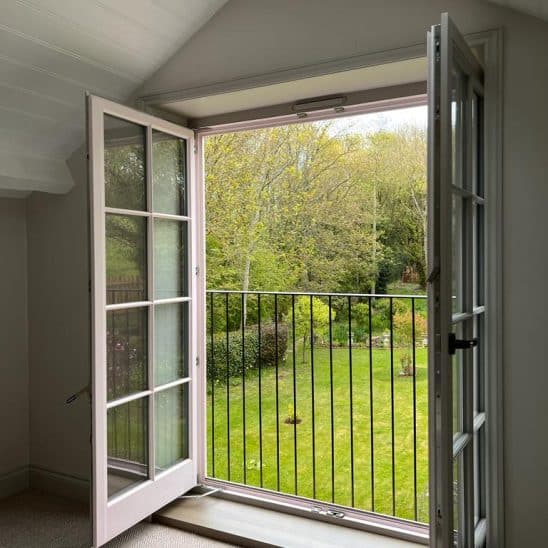
Turn the handle to one position and the sash tilts inwards from the top, creating a controlled ventilation gap while the window remains essentially secure so nobody can climb through. Turn it further and the entire sash swings inwards from the side, like a conventional casement but opening into the room rather than out.
This dual function is made possible by a more complex gearing system than you’ll find in a standard casement window. The locking and hinge mechanisms run around the full perimeter of the opening sash, not just along one edge. That engineering is what gives tilt and turn windows both their versatility and their security credentials. See how this design of window enhanced a Juliet Balcony on the Suffolk Coast.
Where do tilt and turn windows make sense?
There are numerous scenarios for property renovation projects, contemporary, refurbishment and even in older buildings where tilt and turn windows make a lot of sense. Here is why
More Glass Less Frame
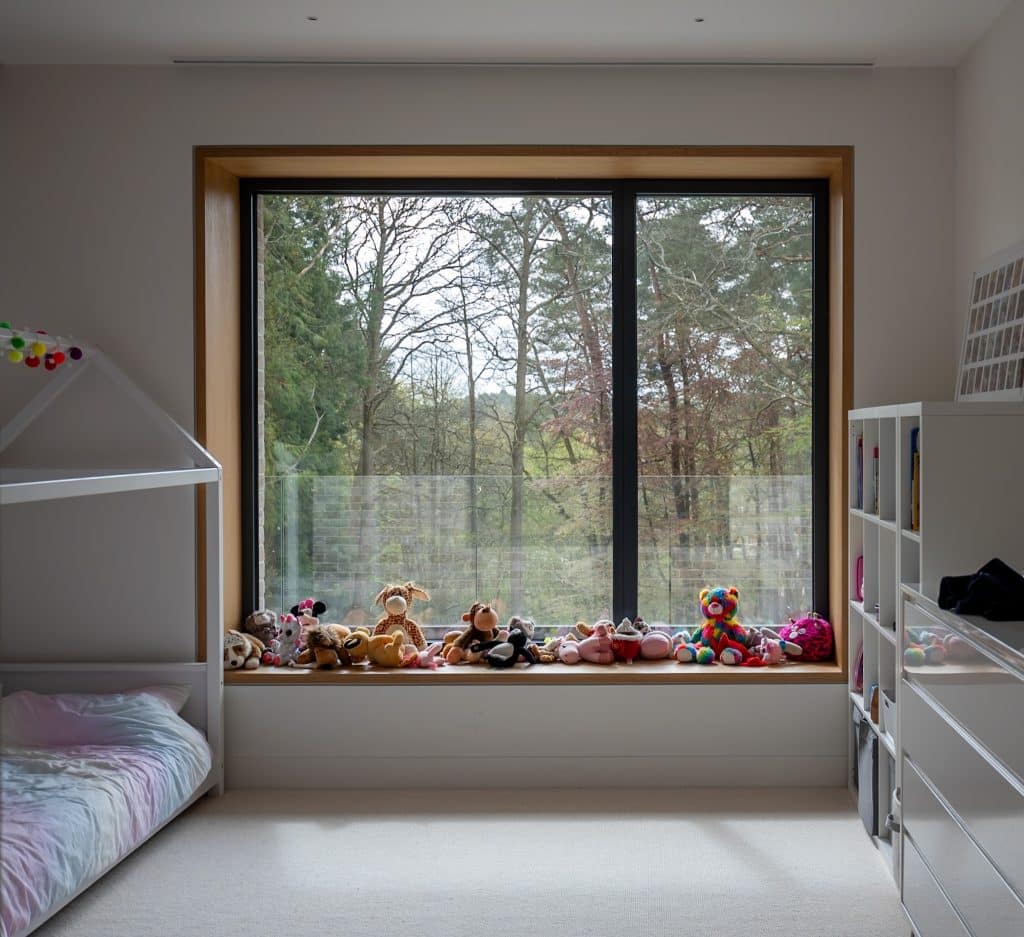
Tilt and turn windows have the ability to be made wider and taller than any other window material. As a result you can design your extension with bigger panes of glass and fewer mullions and transoms.
The maximum size of a typical opening tilt and turn window can be as wide as 1.2m wide and 2.1m high. That is pretty much door sizes and all in one pane of glass, giving you fantastic views
No Hazard to Passers-By
Many homes have windows that open outwards onto pathways, garden walkways or, in some cases, directly onto a public pavement. That can be a genuine hazard.
Because tilt and turn windows tilt and open inwards, there’s no protruding sash to catch anyone walking past.
The Juliet Balcony Favourite
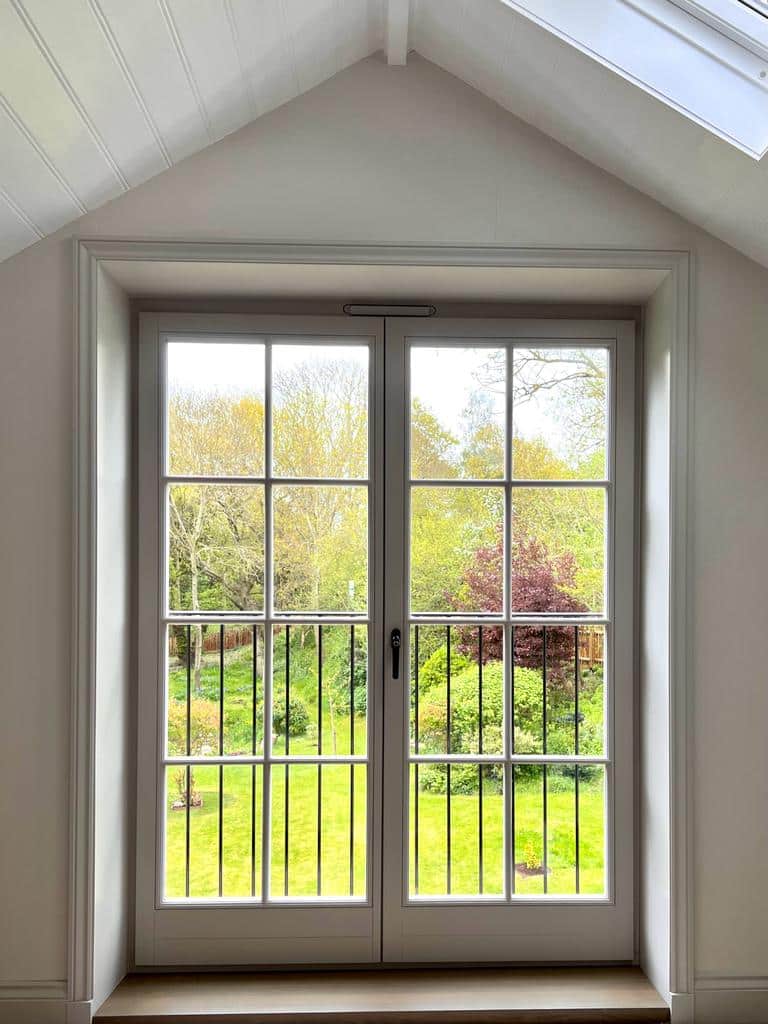
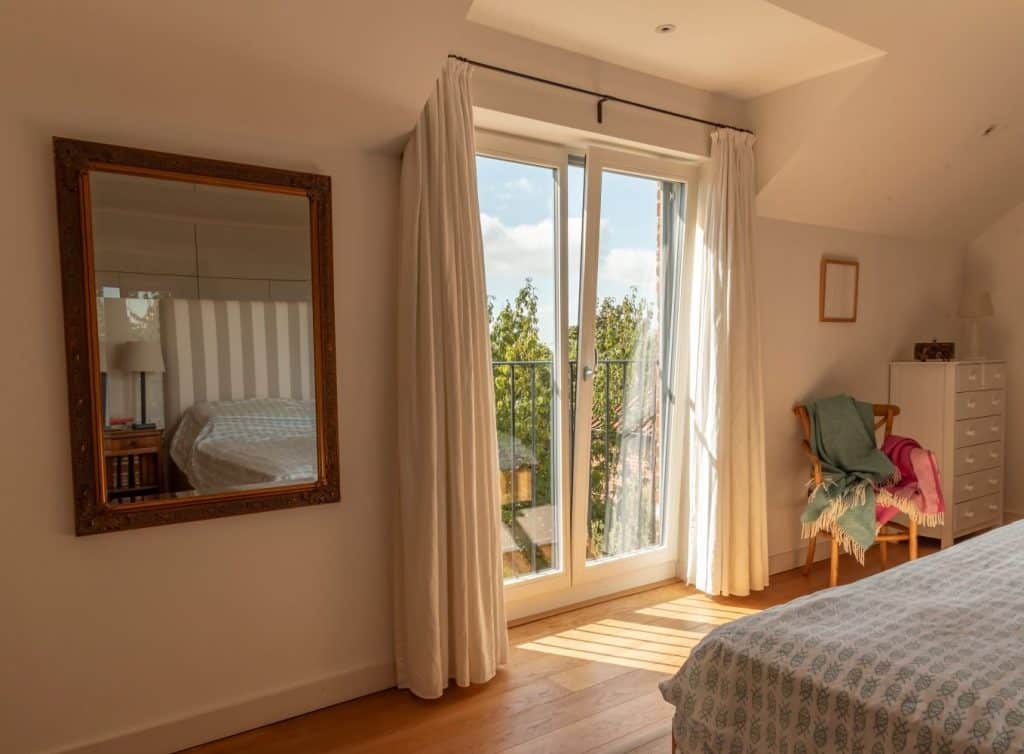
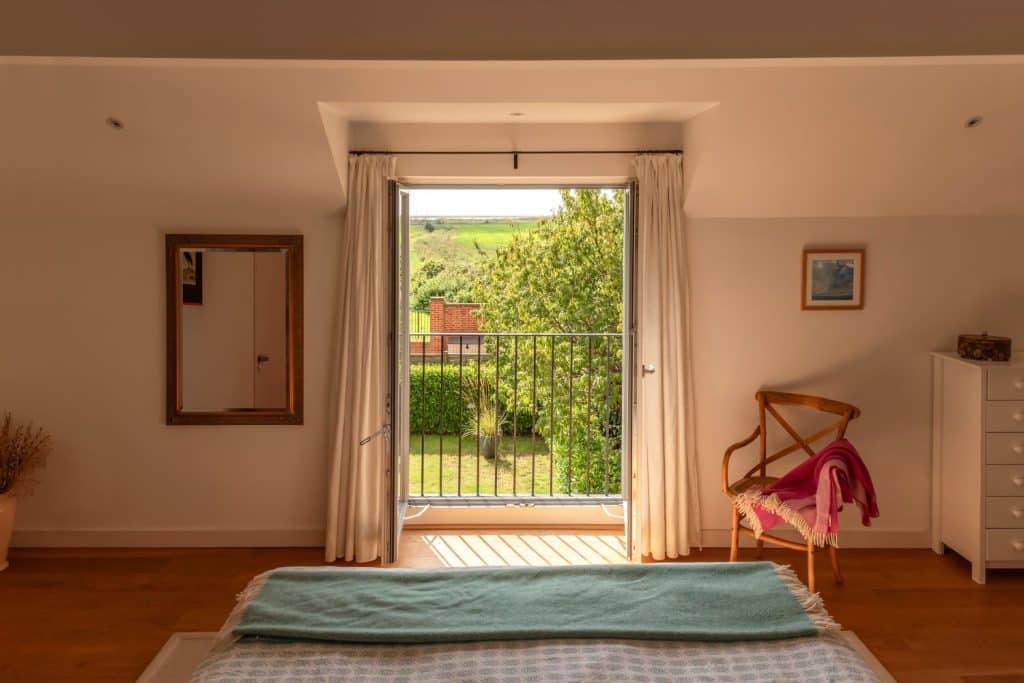
The most popular application we see is as Juliet balcony doors on upper floors. Here, tilt and turn comes into its own because it solves a problem that conventional French doors can’t. as shown on this gorgeous project in Orford, Suffolk.
You can tilt a single panel for background ventilation. Fresh air without fully opening the door, and fully open one or both panels when needed. With a standard French door you’re limited to open or closed, with no middle ground.
Clean Every Window From Inside
Three storey homes, windows are at high level, above a kitchen sink, or on an upper floor where reaching outside simply isn’t practical. All of these house types and more are ideal for a tilt and turn door or window.
The turn function lets you swing the sash fully inwards and clean the exterior glass from inside the room. No ladders, no leaning out, no awkward stretching over a worktop to reach a casement that opens away from you.
Security and Energy Efficiency
Whilst every window from The Burgess Group is safe and secure with all our products tested to the latest security standards. Tilt and turn windows are engineered to be every bit as secure, energy efficient and weather-tight as any other window type. And in some respects, more so.
For security, all brands undergo stringent security testing and they’re just as secure. In fact, tilt and turn windows and doors come with locking hardware around the full perimeter of the opening sash. A casement window only has locks on the one side. The mechanism engages multiple locking points distributed around the full frame. That makes it significantly harder to force open from outside.
In the tilt position, the opening gap is too narrow for anyone to reach through, giving you ventilation with peace of mind, particularly useful at night or when the house is unoccupied.
Energy efficiency is also exceptional thanks to solid timber frames, thermally insulated aluminium or multi-chamber premium uPVC materials. And all these materials work with our high specification safety glass. As a minimum you get doors with toughened safety glass, having a soft-coat low-emissivity coating, warm edge spacer bars and argon gas fill.
What materials are tilt and turn windows available in?
We can supply tilt and turn windows and doors in both timber and aluminium, giving you a choice that suits the character of your property and your performance requirements.
Our timber tilt and turn windows and doors offer all the premium quality and guarantees of our general timber range. Handcrafted and finished in microporous paint that allows the wood to breathe, with a 12-year paint guarantee. Dual colour options , one shade outside, another inside, are available to match your interior scheme to the external character of your home. We’ve installed these in period conversions across Suffolk where the external appearance needs to respect the building’s heritage while the interior benefits from a clean, contemporary feel.
For aluminium, windows and doors, these offer a slimmer alternative with a more contemporary aesthetic, with powder-coated finishes available in a wide range of RAL colours.
UPVC tilt and turn windows also come with the same high quality materials, hardware and glass, with the added benefit of textured woodgrain foils in numerous colours.
Are there any drawbacks to tilt and turn windows?
Tilt and turn windows open inwards, which means the sash occupies room space when fully open. If you have curtains, blinds or furniture positioned close to the window, that inward swing needs to be accounted for. It’s worth discussing with us at the design stage so we can advise on the best configuration for each opening.
Ready to Discover Tilt and Turn Doors and Windows?
Only by looking and operating a tilt and turn window or door can you see how these windows offer optimum functionality and quality. The tilt action, the reassuring weight of the turn, the quality of the gearing are all things things you need to feel to appreciate. Visit one of our showrooms in Woodbridge, Bury St Edmunds or Norwich and we’ll walk you through the options, talk about what would work for your home, and help you understand whether tilt and turn is the right choice for your project. No pressure, no obligation. Just straightforward advice from a team that’s been doing this for over 25 years.

Visit Our Showrooms
Areas We Cover
- Suffolk
- Sudbury
- Ipswich
- Lowestoft
- Bury St Edmunds
- Haverhill
- Felixstowe
- Newmarket
- Stowmarket
- Kesgrave
- Beccles
- Mildenhall
- Woodbridge
- Bures
- Brandon
- Hadleigh
- Leiston
- Trimley St Mary
- Halesworth
- Bungay
- Needham Market
- & more
- Norfolk
- Norwich
- King’s Lynn
- Great Yarmouth
- Thetford
- Gorleston-on-Sea
- Dereham
- Taverham
- Wymondham
- North Walsham
- Attleborough
- Caister-on-Sea
- Fakenham
- Cromer
- Sheringham
- Aylsham
- Holt
- & more
- Cambridgeshire
- Huntingdon
- Peterborough
- Cambridge
- Wisbech
- St Neots
- March
- Ely
- St Ives
- Cottenham
- Cambourne
- Great Shelford
- Soham
- Burwell
- Sawston
- Balsham
- Histon
- Fulbourn
- Linton
- Waterbeach
- Bar Hill
- Milton
- Teversham
- & more
- North Essex
- Saffron Walden
- Thaxted
- Great Dunmow
- Halstead
- Braintree
- Coggeshall
- Earls Colne
- Stansted Mountfitchet
- Clavering
Follow Us!