Secondary Glazing: What It Is, How It Works, and When It’s Right For You
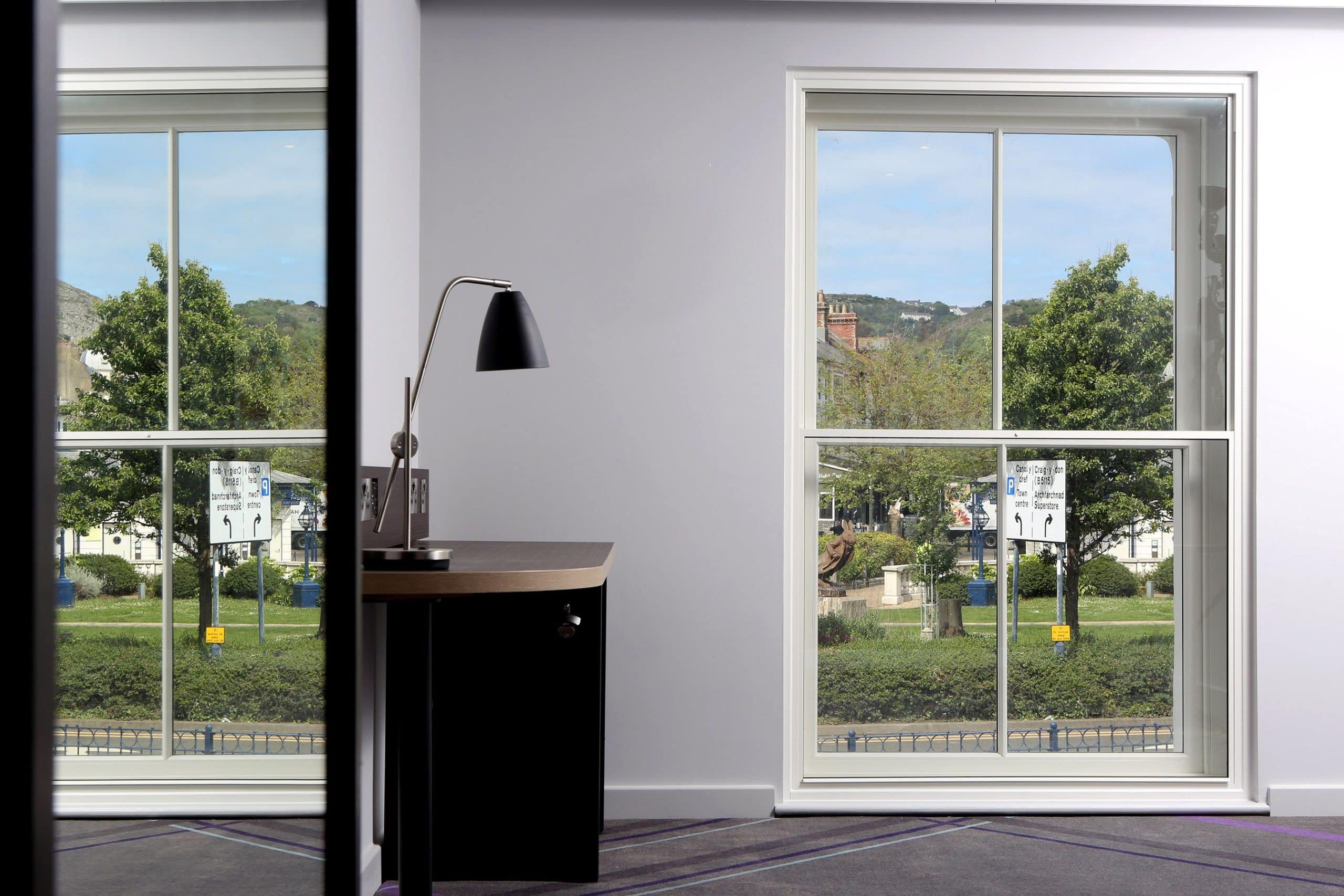
If you can’t replace your windows, whether because of planning constraints, the nature of your property and surrounding buildings, or simply budget right now, secondary glazing is one of the most effective upgrades available. It improves thermal performance, cuts noise, and eliminates draughts without touching the original window or changing how your home looks from the outside.
It’s the solution that heritage consultants, architects, and building owners reach for when performance matters but the original window must be preserved for whatever reason. This guide explains how it works and why secondary glazing is used as widely as it is.
What Is Secondary Glazing?
Secondary glazing is a separate, independently-fitted window installed on the inside of your existing window. A slim aluminium frame holds a single glass pane, sitting a few inches in from the original windows. This creates a sealed air gap between the two.
That air gap is the key. It acts as an insulating buffer, reducing the transfer of heat, cold, and sound between the inside and outside of the building. Unlike replacement double glazing, nothing is removed and nothing is changed on the outside. The original window stays exactly as it is.
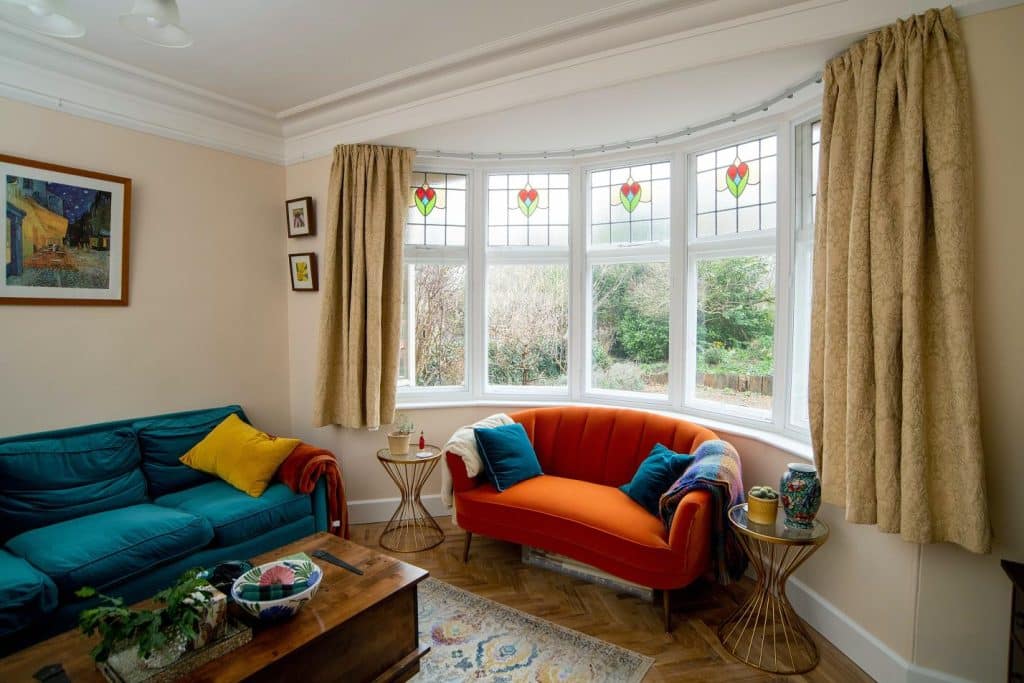
Secondary glazing is a separate, independently-fitted window installed on the inside of your existing window. A slim aluminium frame holds a single glass pane, sitting a few inches in from the original. This creates a sealed air gap between the two.
That air gap is the key. It acts as an insulating buffer, reducing the transfer of heat, cold, and sound between the inside and outside of the building. Unlike replacement double glazing, nothing is removed and nothing is changed on the outside. The original window stays exactly as it is.
Even better, secondary glazing is designed for all types of windows. For example fixed windows come with a lift out model or hinged inwards. Sash windows come with matching sliding sash versions, and casement windows are also just as flexible in how you configure them. As a result, opening your existing windows is quick and easy.
The Benefits of Secondary Glazing
There are numerous benefits to considering secondary glazing when replacing your windows isn’t that simple or your home has certain restrictions in place.
1. Noise Reduction
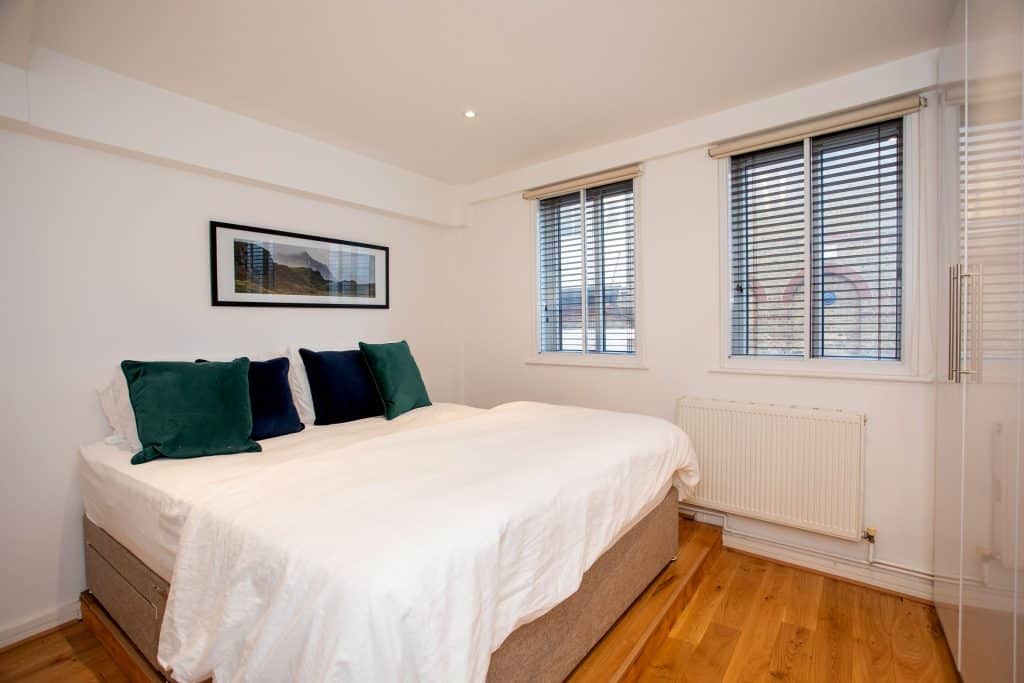
Secondary glazing is one of the most effective acoustic solutions available for existing windows. A well-specified system can reduce external noise by up to 80%. The combination of the additional pane, the air gap between the window and the secondary units and the separation from the existing window disrupts sound transmission far more effectively than single glazing alone. It can even be more effective than standard double or triple glazed windows in some circumstances.
For properties near busy roads, rail lines, or flight paths, in noisy urban environments, the difference in day-to-day comfort is substantial.
2. Thermal Performance
Heat loss through single-glazed windows is significant, particularly in period properties with original timber or metal frames. Secondary glazing can reduce that heat loss by up to 65%, improving the U-value of the window and contributing to a better EPC rating.
The improvement in energy efficiency isn’t marginal. For buildings with large window areas, or properties where heating costs are a genuine concern, secondary glazing pays back over time.
3. Draughts
Older windows, such as early generation sash windows, casement windows and steel windows, didn’t have the technology to prevent air leakage around frames, sashes, and glazing beads. Even where the glass itself is intact, the draught problem can make rooms uncomfortable and drive up heating bills.
Secondary glazing creates a sealed internal layer that cuts off that air movement entirely. Rooms become more consistent in temperature, and the cold patches that tend to develop near window walls largely disappear.
Heritage and Listed Building Compliance
This is where secondary glazing is often the only option. In listed buildings and conservation areas, replacing original windows is rarely permitted. Secondary glazing generally meets the requirements of the Planning (Listed Buildings and Conservation Areas) Act 1990 — making it the compliant route for property owners who need to improve performance but cannot alter the existing windows.

Minimal Disruption
Because secondary glazing is installed entirely from the inside, there’s no scaffolding, no removal of existing windows, and no exposure to the elements during the work. Installation is faster and cleaner than window replacement, and in most cases occupants can remain in the building throughout.
For commercial clients — schools, hospitals, offices, hotels — this matters as much as the performance spec.
Sustainability
The most sustainable building material is usually the one that’s already there. Secondary glazing extends the working life of existing windows rather than sending them to landfill, reducing the embodied carbon cost of refurbishment.
Where you can use Secondary Glazing
Secondary glazing is specified across a wide range of building types and project scales. Common applications include:
• Grade I and Grade II listed buildings requiring energy or acoustic upgrades
• Conservation area properties where planning restrictions prevent window replacement
• Hotels and hospitality buildings where guest comfort depends on acoustic performance
• Hospitals, schools, and healthcare facilities with strict thermal and noise standards
• Residential properties affected by traffic, rail, or aircraft noise
• Commercial and public buildings undergoing retrofit or refurbishment
The same core system applies across all of these — what changes is the configuration, the glazing specification, and the detail of how it’s fitted.
In this generated example below. you can see the existing window and the relationship the secondary glazing has to it. You can place the secondary glazing right up to the edge of the reveal and the windowboard, creating an even bigger gap between the two windows and improving insulation and acoustics even more. Our trained surveyors or sales people can help choose the best location to suit your home.
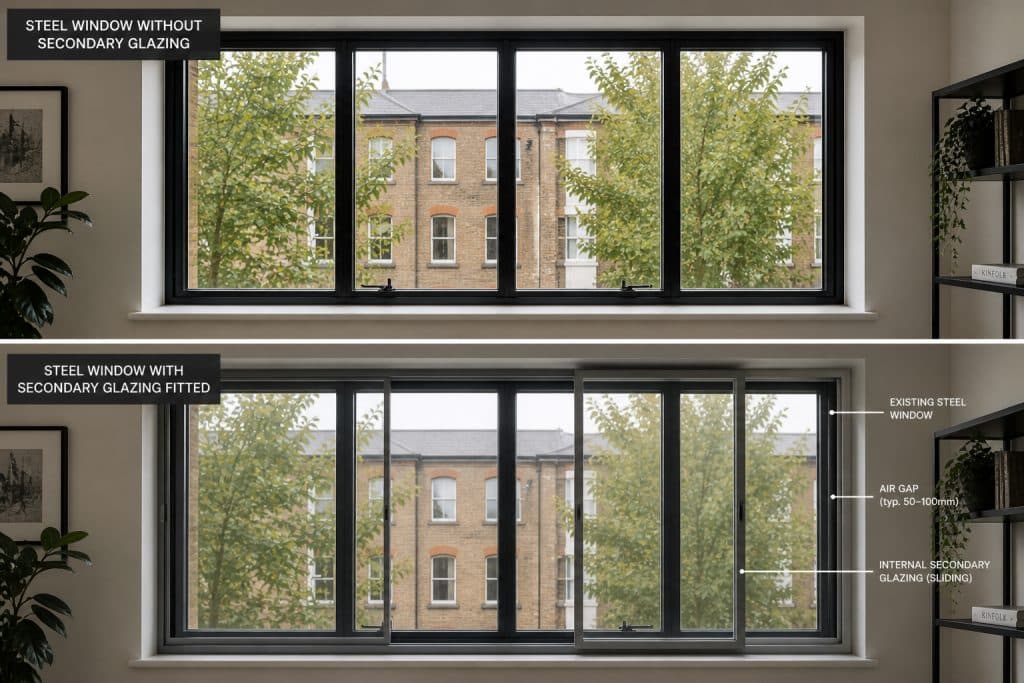
Secondary double glazing products are designed to be discreet. Slimline aluminium frames, clean internal sight lines, and a range of finish options mean the installation sits quietly within the window rather than competing with it. From the outside, some secondary glazing designs are visible, but in most cases they are not.
How The Burgess Group Works
At The Burgess Group, we supply and install precision-engineered aluminium secondary glazing systems from the leading and longest established manufacturer, with an established national reputation.
Our secondary glazing is designed to improve comfort and performance while preserving the original character of your home or where windows by design are hard to replicate with modern materials.
We can help architects, contractors and you, the homeowner direct, whatever your requirements. Compliance, accuracy, and a professionally managed installation from survey through to completion. That is the reputation The Burgess Group is proud to have for nearly three decades across our entire windows collection.
Is Secondary Glazing Right for Your Project?
If you need to improve thermal performance, reduce noise, or address draughts without replacing your existing windows, whether for planning, local authority or other reason, secondary glazing is likely the most effective and compliant solution available to you. Get in touch with the team, or visit our showrooms in Woodbridge, Fornham St Martin, or Norwich. You can view the products and get a bespoke solution for your home.

Visit Our Showrooms
Areas We Cover
- Suffolk
- Sudbury
- Ipswich
- Lowestoft
- Bury St Edmunds
- Haverhill
- Felixstowe
- Newmarket
- Stowmarket
- Kesgrave
- Beccles
- Mildenhall
- Woodbridge
- Bures
- Brandon
- Hadleigh
- Leiston
- Trimley St Mary
- Halesworth
- Bungay
- Needham Market
- & more
- Norfolk
- Norwich
- King’s Lynn
- Great Yarmouth
- Thetford
- Gorleston-on-Sea
- Dereham
- Taverham
- Wymondham
- North Walsham
- Attleborough
- Caister-on-Sea
- Fakenham
- Cromer
- Sheringham
- Aylsham
- Holt
- & more
- Cambridgeshire
- Huntingdon
- Peterborough
- Cambridge
- Wisbech
- St Neots
- March
- Ely
- St Ives
- Cottenham
- Cambourne
- Great Shelford
- Soham
- Burwell
- Sawston
- Balsham
- Histon
- Fulbourn
- Linton
- Waterbeach
- Bar Hill
- Milton
- Teversham
- & more
- North Essex
- Saffron Walden
- Thaxted
- Great Dunmow
- Halstead
- Braintree
- Coggeshall
- Earls Colne
- Stansted Mountfitchet
- Clavering
Follow Us!