Does Double Glazing Have A Vacuum?
When it comes to improving the energy efficiency and comfort of your home, double glazing is a popular choice. But have you ever wondered what lies between the panes of glass in double glazed windows? Is it a vacuum, or something else entirely?
In this article, we’ll explore the science behind double glazing, the materials used, and the latest advancements in the field, including vacuum double glazing. By the end, you’ll have a clear understanding of how double glazing works and whether it’s the right choice for your home.
What Is Double Glazing? And Is There A Vacuum Between The Panes?
Double glazing consists of two panes of glass separated by a cavity. This design is intended to reduce heat loss, improve insulation, and enhance soundproofing. While some people assume that the gap between the panes is a vacuum, this is not the case for standard double glazing. Instead, the cavity is typically filled with a noble gas, such as Argon, which is denser than air and slows down thermal transfer.
Each noble gas has a peak cavity width for maximum effectiveness. The higher the atomic number, the thinner the ideal cavity width. Argon gas, for example, performs best at 14 to 16mm.
This arrangement means less heat escapes from your home in winter and less heat enters during summer, making your home more energy-efficient.
Why Isn’t The Cavity A Vacuum In Standard Double Glazing?
Creating a vacuum between two panes of glass is technically challenging and expensive.
While a vacuum would theoretically provide excellent insulation (as heat and sound cannot travel through a vacuum), maintaining a perfect vacuum over time is difficult. Even the smallest imperfection in the seal could cause the vacuum to fail, rendering the window ineffective.
Instead, manufacturers use noble gases like Argon, which offer excellent thermal performance without the complexities of a vacuum.
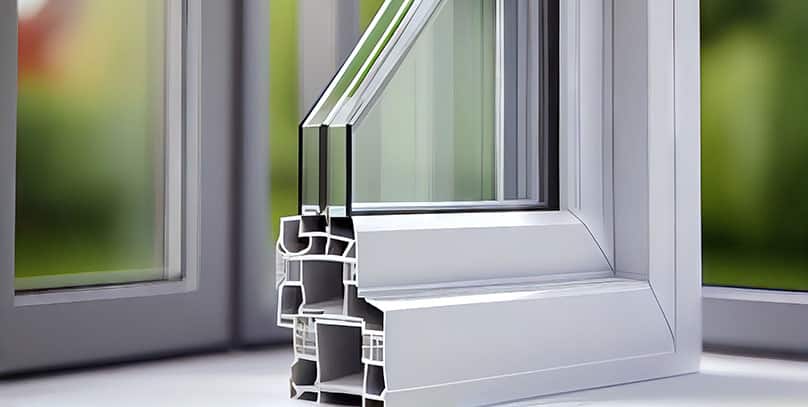
The Disadvantages Of Standard Double Glazing
While standard double glazing is a significant improvement over single glazing, it does have some limitations:
Reduced Efficiency Over Time
The Butyl seals around the edges of double glazed units can degrade, allowing the Argon gas to escape and moisture to enter. The gradual passage of moisture is initially absorbed by the desiccant in the perimeter seal, but eventually, it becomes overwhelmed. This leads to a drop in performance and can cause internal condensation.
Aesthetic Concerns
The wide cavity in standard double glazing exposes spacer bars and sealant, which can be visually unappealing, especially in heritage properties. Additionally, the double reflection effect of two panes of glass can detract from the original character of older homes.
Limited Lifespan
Double glazing typically lasts between 10 to 25 years, depending on the quality of materials and installation. Over time, the desiccant in the perimeter seal can become overwhelmed, leading to fogging between the panes and reduced insulation properties.
Alternatives To Standard Double Glazing
For those seeking better performance or a more aesthetically pleasing solution, there are alternatives to standard double glazing:
1. Triple Glazing
Triple glazing features three layers of glass with gaps between each layer, providing enhanced insulation compared to standard double glazing. This design helps keep your home warmer, reduces outside noise, and offers improved energy efficiency.
Triple glazing is particularly valuable in areas with severe weather conditions or properties requiring maximum energy efficiency. However, it’s worth noting that triple glazing units are thicker and heavier than standard double glazing, which may not be suitable for all window frames, particularly in older properties.
2. Vacuum Double Glazing
Vacuum double glazing is the latest innovation in window technology. Unlike standard double glazing, the cavity between the panes is a vacuum, which provides superior insulation.
For these units, the gap between the two panes of glass is less than 1mm, and all the air is extracted to create a vacuum. Because heat and sound cannot travel through a vacuum, these units are significantly more efficient than standard double glazing.
Vacuum glass was originally developed in Japan as a way of making buildings safer in earthquake zones, but it’s now used widely for heritage projects and Passivhaus applications.
Introducing FINEO Glass: A Premium Vacuum Glazing Solution

For those seeking an even more advanced vacuum glazing solution, FINEO Glass is a game changer. As a specific brand of vacuum insulating glass now available on our Bygone timber alternative sash windows, FINEO represents one of the leading vacuum glazing technologies on the market.
And, with a thickness of as little as 10mm, FINEO glass is exceptionally lightweight yet achieves thermal efficiency values comparable to triple glazed windows.
Benefits Of FINEO Glazing
- Superior Thermal Performance
FINEO glazing delivers an exceptionally low U-value of 1.2, similar to triple glazing but in a much thinner and lighter panel. - Increased Natural Light
The slim design allows up to 15% more natural light to flood your home. - Sustainability
FINEO glass is 100% recyclable, lead free, and designed with the future in mind. - Soundproofing
Significant reduction in external noise pollution, making your home quieter and more peaceful.
FINEO glazing is perfect for both new builds and replacement windows, particularly in conservation areas where maintaining the original aesthetic is essential.
Why Choose The Burgess Group For Your Double Glazing Needs?
At The Burgess Group, we pride ourselves on delivering exceptional quality and service. Here’s what sets us apart:
- Premium Materials
We use only the best materials, including FINEO glass to ensure durability and performance. - Expert Installation
Our skilled team ensures your windows are fitted to the highest standards. - Comprehensive Guarantees
As members of the Independent Warranty Association, we offer insurance-backed guarantees for your peace of mind. - Personalised Service
From initial consultation to aftercare, we provide tailored solutions to meet your needs.
Whether you’re looking for standard double glazing, slim double glazing, or the latest vacuum glazing technology, we have the expertise to guide you through the process.
Frequently Asked Questions
Yes, vacuum glazing is an excellent choice for listed buildings as it maintains the original aesthetic while improving energy efficiency.
Standard double glazing typically lasts between 10 to 25 years, depending on the quality of materials and installation.
Yes, FINEO glass is approved for use in conservation areas and is available in our Bygone sash windows.
Yes, we provide comprehensive aftercare services to ensure your windows remain in top condition.

Visit Our Showrooms
Areas We Cover
- Suffolk
- Sudbury
- Ipswich
- Lowestoft
- Bury St Edmunds
- Haverhill
- Felixstowe
- Newmarket
- Stowmarket
- Kesgrave
- Beccles
- Mildenhall
- Woodbridge
- Bures
- Brandon
- Hadleigh
- Leiston
- Trimley St Mary
- Halesworth
- Bungay
- Needham Market
- & more
- Norfolk
- Norwich
- King’s Lynn
- Great Yarmouth
- Thetford
- Gorleston-on-Sea
- Dereham
- Taverham
- Wymondham
- North Walsham
- Attleborough
- Caister-on-Sea
- Fakenham
- Cromer
- Sheringham
- Aylsham
- Holt
- & more
- Cambridgeshire
- Huntingdon
- Peterborough
- Cambridge
- Wisbech
- St Neots
- March
- Ely
- St Ives
- Cottenham
- Cambourne
- Great Shelford
- Soham
- Burwell
- Sawston
- Balsham
- Histon
- Fulbourn
- Linton
- Waterbeach
- Bar Hill
- Milton
- Teversham
- & more
- North Essex
- Saffron Walden
- Thaxted
- Great Dunmow
- Halstead
- Braintree
- Coggeshall
- Earls Colne
- Stansted Mountfitchet
- Clavering
Follow Us!