Common Doors Terminology Explained
Looking for new doors can be hard work, and if you’ve spent any length of time looking them up online you are probably baffled by all the terminology companies use.
So, in this article we are going to be clearing up the meaning of some of the most common phrases that window and door specialists use.
Bi-Fold Doors
Bi-fold doors are a type of door made up of multiple panels that fold back against each other like an accordion. They’re usually installed in spaces where you want a wide unobstructed view such as patios. When you slide them open, the panels fold together neatly, allowing you to open up a space fully. They’re great for creating a seamless flow between indoor and outdoor areas since they let in lots of natural light. Bi-fold doors are often made from materials like timber, aluminium, or uPVC and can be customised to perfectly match your home’s style.
French Doors
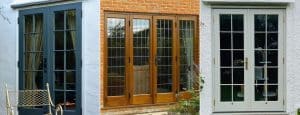
French doors are a type of door that features large glass panels, typically running the full length of the door. These glass panels are usually set in a wooden or metal frame, allowing plenty of natural light to flow between spaces.
French doors are often used as exterior doors, connecting the inside of a home to a patio or garden, but they can also be used inside the home to divide rooms without blocking light. They add a touch of elegance and openness, making spaces feel larger and more connected.
Sliding Doors
Sliding doors open by gliding sideways along a track, moving parallel to the wall. This design is perfect for saving space while creating a smooth connection between indoor and outdoor areas. They come in various materials like glass, aluminium, wood or composites – giving you plenty of style options to match your space.
Stable Doors
Stable doors are doors split in half horizontally, so you can open the top half while keeping the bottom closed. This classic design is both charming and practical, and they’re especially common in barn conversions and country cottages. That being said, you can find them in many modern and traditional styles, colours, and glass options too, making them suitable for all types of properties.
Entrance Doors
An entrance door is another name for a “front door” – the main way into your home. It’s positioned at the front and plays a key role in security, style and keeping energy costs down. Entrance doors come in a variety of materials like timber, PVCu, and aluminium.
Composite Doors
Composite doors are a type of door made from a mix of materials such as wood, uPVC, insulating foam, and glass-reinforced plastic. This combination makes them strong, durable and energy-efficient.
Composite doors are designed to stay sturdy and maintain their shape, even in changing weather conditions. They’re popular for their ability to look like real wood while offering better insulation and lower maintenance. Plus, they come in a range of colours and styles, making it easy to find a design that fits your home.
Insulated Core
An insulated core refers to the inner layer designed to enhance thermal efficiency and strength. It typically consists of materials like foam or other insulating substances that are sandwiched between the outer layers of the door. This design helps to keep heat in during colder months and out during warmer ones, making the door energy-efficient. It also provides better soundproofing and can make the door feel sturdier.
Laminated Glass
Laminated glass is a type of safety glass commonly used in high-end doors that’s made by sandwiching a tough plastic layer between two or more layers of glass. This construction keeps the glass intact even when it’s broken, making it much safer.
If the glass is shattered, the pieces remain stuck to the plastic layer, reducing the risk of injury and maintaining the integrity of the door.
Tempered Glass
Tempered glass is another type of safety glass that’s treated with heat or chemicals to make it stronger than regular glass. It’s designed to break into small, blunt pieces if it’s shattered, which helps prevent serious injuries.
Frosted Glass
Frosted glass refers to a type of glass that has been treated to create a semi-transparent, cloudy appearance. This is typically done through sandblasting, acid etching or applying a frosted film to the surface of the glass.
Frosted glass allows light to pass through but blurs details, which helps maintain privacy while still letting natural light into a space.
Triple Glazed Glass
Triple glazed glass means a window or door with three layers of glass, separated by insulating spaces filled with gas (usually argon). These layers help keep heat inside during the winter and block it out in the summer, making your home more energy efficient. The extra glass layer also reduces outside noise and increases security.

Toplight
A toplight is a small horizontal window located above a door, often used to bring in extra natural light and add decorative flair to an entrance. It can be customised with different types of glazing, like sandblasted designs or reversed-out lettering, allowing you to display your house number or name.
Fanlight
A fanlight is a small semi-circular window positioned above a door. The term “fanlight” comes from its common fan-like shape with radiating bars, although it can also be more simple in design. It follows the shape of the brickwork with an arched style, which complements the door’s overall look with a nice decorative touch while enhancing natural light.
What’s The Difference Between Toplights And Fanlights?
Toplights and fanlights are both windows above doors, however toplights are typically rectangular and horizontal, allowing for custom designs like sandblasted lettering etc.
Whereas, fanlights are usually semi-circular or arched, featuring a fan-like shape with radiating bars that add a more classic curved aesthetic to the entrance.
Door Sidelights
Sidelights are those slim glass panels you see right next to doors, usually running vertically. They make an entrance look bigger and let in extra light, making your hallway or entryway feel brighter and more welcoming.
Weatherstripping
Weatherstripping is a feature that involves adding materials around the edges of doors to seal any gaps. This prevents cold air from entering and warm air from escaping, helping to keep your home cozy and energy efficient.
Pivot Doors
A pivot door is a type of door that opens on a central pivot point rather than traditional side hinges. This means the door swings open smoothly, supported by top and bottom pivots rather than a hinge at the side.
Pivot doors can be larger and heavier than typical doors, often creating a striking visual impact. Because of their design, they offer a seamless, modern look and can accommodate wider dimensions.
Door Cladding
Door cladding is a layer of material added to the outside of a door to enhance its look and provide extra protection. It can be made from various materials like wood, ceramic, glass or tiles – allowing you to customise the door’s appearance to match your home.
Moulding
Moulding refers to the decorative trim added to the edges of doors. It’s used to create depth, style and a more refined appearance. It helps enhance the traditional or modern look of the door, adding character and detail to the frame.
Ovolo Moulding
Ovolo moulding is a rounded decorative edge profile, commonly used in traditional style doors to create a classic elegant look. This type of moulding features a convex curved edge that softens the transition between the door panel and the frame, adding depth and character to the door’s design. It’s often chosen for period-style or heritage homes to replicate the handcrafted details of traditional timber doors.
Raised and Fielded Panels
Raised and fielded panels refer to a style of door panel where the center section is elevated, creating a raised effect. The “fielded” part describes the sloped or bevelled edges around this raised center, which gradually blend into the rest of the door frame.
FSC Certified
When a door is labelled as FSC certified, it means that the timber used to make it comes from responsibly managed forests that meet the standards of the Forest Stewardship Council (FSC).
The FSC is an international organisation that sets guidelines for sustainable forestry practices, ensuring that the wood is sourced in a way that protects forests, wildlife and the rights of local communities.
Secured By Design (SBD)
When you see “Secured By Design” on doors, it means they’ve met the high-security standards set by a police backed program aimed at making homes safer. This certification involves thorough testing to ensure that the locks and design can withstand attempts to break in.

Door Escutcheon
A door escutcheon is a small plate or cover that surrounds the keyhole. It’s designed to protect the area around the lock from wear and damage, while also adding a stylish detail to the door.
Micro-Porous Paint
Micro-porous paint is a type of paint designed to allow moisture and air to pass through the painted surface while keeping out larger particles like water droplets. This breathability helps prevent the build up of moisture inside the timber, reducing the risk of rot, warping and cracking over time. When used on timber doors, it creates a durable protective finish that maintains the wood’s appearance while allowing it to breathe. It also reduces the need for frequent maintenance.
Multi-Point Lock
A multi-point lock is a security system for doors that locks at several points along the door frame, not just a single spot like a traditional lock. This design ensures the door is tightly secured at multiple points when locked, providing enhanced resistance against forced entry.
Door Leaf
A door leaf refers to the actual moving part of a door – the panel that swings open and closed. It’s the part that’s attached to the hinges or sliding mechanism. For a standard single door, it means the door panel itself. In double doors, each panel is called a leaf, so you’d have two leaves.
Basically, when people talk about the “door leaf”, they’re talking about the main component that you push or pull to enter or exit through the doorway.
Panel
A panel refers to the individual segments that make up the door. These panels can be solid or made of glass, and they’re framed within the door structure to create various designs. For example, a traditional door might have several wooden panels with decorative carvings, while a more contemporary door might have large glass panels for a more open feel.
Flush Doors
A flush door is a door with a smooth, flat surface, without raised or recessed panels, offering a simple and modern look. The door’s surface is usually covered with a veneer, laminate or paint – providing a clean and seamless appearance.
Rebated Doors
Rebated doors have a special edge design that allows one door to overlap the other when they are closed, creating a tighter seal between them. This overlapping edge is called a “rebate.” It ensures that there’s no gap between the doors, improving insulation and reducing drafts or noise. The rebate also gives a cleaner look, as one door sits slightly in front of the other.
Sill
“Sill” refers to the bottom part of the door frame that sits directly on the floor. It seals the gap between the door and the floor, helping to keep out drafts, moisture and pests. It also provides a solid base for the door to close against.
Threshold
The threshold is the bottom part of the door frame that you step over when walking through a doorway. It acts as a transition between different flooring levels, like from outside to inside or from one room to another.
Thresholds help keep drafts, water, and debris from entering a space, providing a seal when the door is closed.
What’s The Difference Between Sill And Threshold?
A sill is the bottom part of the door frame that connects to the vertical sides (jambs) and provides structural support. A threshold sits on top of the sill and helps keep the door sealed against water, drafts, and debris, making it more weatherproof. It also serves as a transition between different floor levels, like between the inside and outside of a doorway.
Door Jamb
A door jamb is the vertical part of a door frame that forms the sides of the door opening. It’s what the door is attached to using hinges and where the door latches when closed.
Put simply, the jambs are what you see on either side of the door when you look at a doorway, supporting the structure of the frame and the door itself.
Architrave
Architrave refers to the decorative moulding that surrounds the frame of a door on the interior of a building. It covers the gap between the wall and the door frame, giving a clean look to the doorway. That said, architraves are not just for looks, they also help cover gaps and ensure a seamless transition between the frame and wall.
Stile
A “stile” refers to the vertical components that form the sides of the door itself. These are the edges running up and down on the left and right sides of the door. Stiles provide structural support to the door, holding the panels or glass in place and connecting with horizontal components called rails.
U-Factor
The U-Factor (or U-Value) measures how well a door insulates against heat loss. It tells you how quickly heat can pass through the door material. A lower U-Factor means the door is better at keeping heat inside, making it more energy efficient.
Veneer
“Veneer” refers to a thin layer of high-quality wood that’s applied to the surface of a door. It gives the door the appearance of being made from solid wood, but the core of the door is usually a more affordable material like MDF, plywood or particleboard.
Veneers allow for a beautiful wood finish while keeping the cost down and providing added stability, as they are less prone to warping compared to solid wood doors.
Astragal Bar
An astragal bar is a strip that divides the glass on doors into smaller sections, making it look like there are multiple panes. It’s mostly for style – giving a classic or traditional look.
Still unsure which style is right for your home? Seeing different doors in person can really help. Pop into our Woodbridge or Bury St Edmunds showrooms to explore full sized displays, chat with our experts and get honest advice without pressure.

Visit Our Showrooms
Areas We Cover
- Suffolk
- Sudbury
- Ipswich
- Lowestoft
- Bury St Edmunds
- Haverhill
- Felixstowe
- Newmarket
- Stowmarket
- Kesgrave
- Beccles
- Mildenhall
- Woodbridge
- Bures
- Brandon
- Hadleigh
- Leiston
- Trimley St Mary
- Halesworth
- Bungay
- Needham Market
- & more
- Norfolk
- Norwich
- King’s Lynn
- Great Yarmouth
- Thetford
- Gorleston-on-Sea
- Dereham
- Taverham
- Wymondham
- North Walsham
- Attleborough
- Caister-on-Sea
- Fakenham
- Cromer
- Sheringham
- Aylsham
- Holt
- & more
- Cambridgeshire
- Huntingdon
- Peterborough
- Cambridge
- Wisbech
- St Neots
- March
- Ely
- St Ives
- Cottenham
- Cambourne
- Great Shelford
- Soham
- Burwell
- Sawston
- Balsham
- Histon
- Fulbourn
- Linton
- Waterbeach
- Bar Hill
- Milton
- Teversham
- & more
- North Essex
- Saffron Walden
- Thaxted
- Great Dunmow
- Halstead
- Braintree
- Coggeshall
- Earls Colne
- Stansted Mountfitchet
- Clavering
Follow Us!